Inspection & Monitoring Category
Corrosion surveillance, CP monitoring, and quality inspection solutions
This category combines the inspection and monitoring products that ANUBX can support in Egypt, including corrosion coupons, ER/LPR probes, reference electrodes, data loggers, and flange-face inspection support using P3-GIT. These solutions support baseline monitoring, preservation verification, and quality control before assembly, operation, or long-term storage.
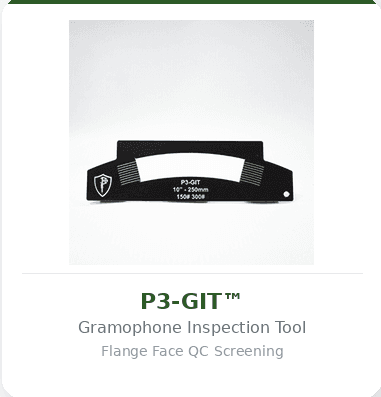
Flange-face screening using P3-GIT on selected critical joints or 100% of the flange list, as required.
Visual condition check and defect identification for nicks, gouges, dents, irregularities, and foreign material.
Workmanship verification before assembly or preservation close-out.
Pass / hold tagging with traceability to spool and flange ID.
Inspection register with pass / hold / rework status.
Photo documentation for nonconformities where permitted.
Recommendations for corrective actions including cleaning, dressing, re-machining, or replacement.
Verification after rework and final close-out summary where required.
Optional integration with P3 flange protection selection.
Pre-sealing verification before preservation packs and end caps are installed.
Support for preservation method statements and QA checklists.
Identifying damaged or unacceptable flange faces before assembly prevents gasket leaks.
Catching issues early, before hydrotest, commissioning, or shipment saves time and cost.
Verifying flange condition before sealing or protection installation supports long-term integrity.
Objective inspection outcomes across teams and sites support repeatable quality standards.
Pre-assembly verification before gasket installation and bolting.
Pre-hydrotest inspection of critical joints and tie-ins.
Receipt inspection of flanges after machining, refurbishment, or transport.
Shutdown / mothballing preparation before installing flange protection and sealing systems.
Turnaround / maintenance quality checks to reduce repeat failures.
Flange Inspection Register (Excel/PDF formats available).
Nonconformance log with recommendations.
Close-out summary for QA/QC and project handover packages.
Flange list including size, class/rating, RF/RTJ type, quantity, and location.
Inspection scope: critical flanges only or full survey.
Project phase: fabrication, hydrotest, commissioning, shutdown, storage, or shipment.
Site access / permit requirements and target mobilization window.
No. P3-GIT is a practical inspection support tool for field verification and QA screening. Engineering acceptance decisions should still align with project standards and client requirements.
Yes. Inspection can be paired with P3 protection selection and preservation implementation support.
Yes. It is particularly useful before preservation installation to confirm face condition and improve long-term protection outcomes.
In addition to P3-GIT flange-face inspection, ANUBX can also support supply of complementary inspection and corrosion-monitoring products for baseline programs, routine monitoring, and preservation verification.

Compact environmental tracking for shipment and storage condition verification.

Quick visual humidity checks for packages, preserved spaces, and enclosed assets.
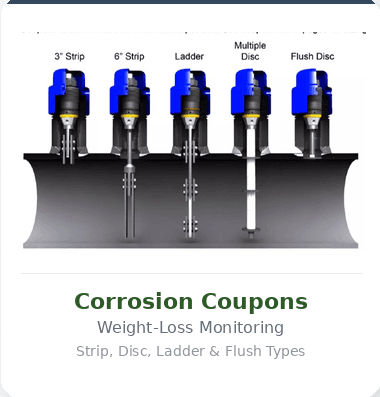
Weight-loss corrosion coupons with the appropriate holders / accessories for the application.
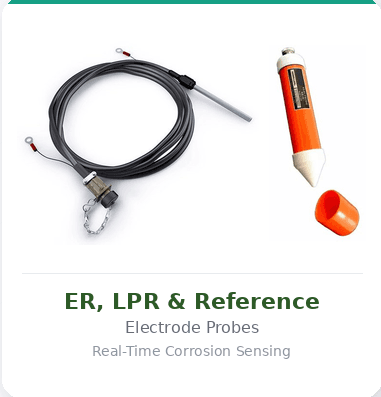
Electrical Resistance (ER) probes for corrosion-rate monitoring and long-term trend tracking.
Linear Polarization Resistance (LPR) probes for suitable services requiring faster corrosion-rate indication.
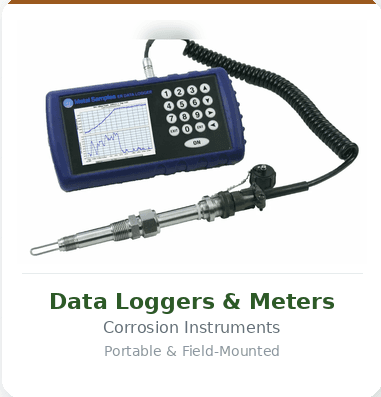
Data loggers, reading units, and related accessories for field data acquisition and record retention.
VCI detection kits to verify the presence of volatile corrosion inhibitor chemistry within enclosed spaces, packages, or preservation systems.
Selection guidance based on service environment, access point, and monitoring objective.
Supply as a standalone package or as part of a broader monitoring / preservation scope.
Technical support for installation planning, baseline readings, and monitoring follow-up where required.


